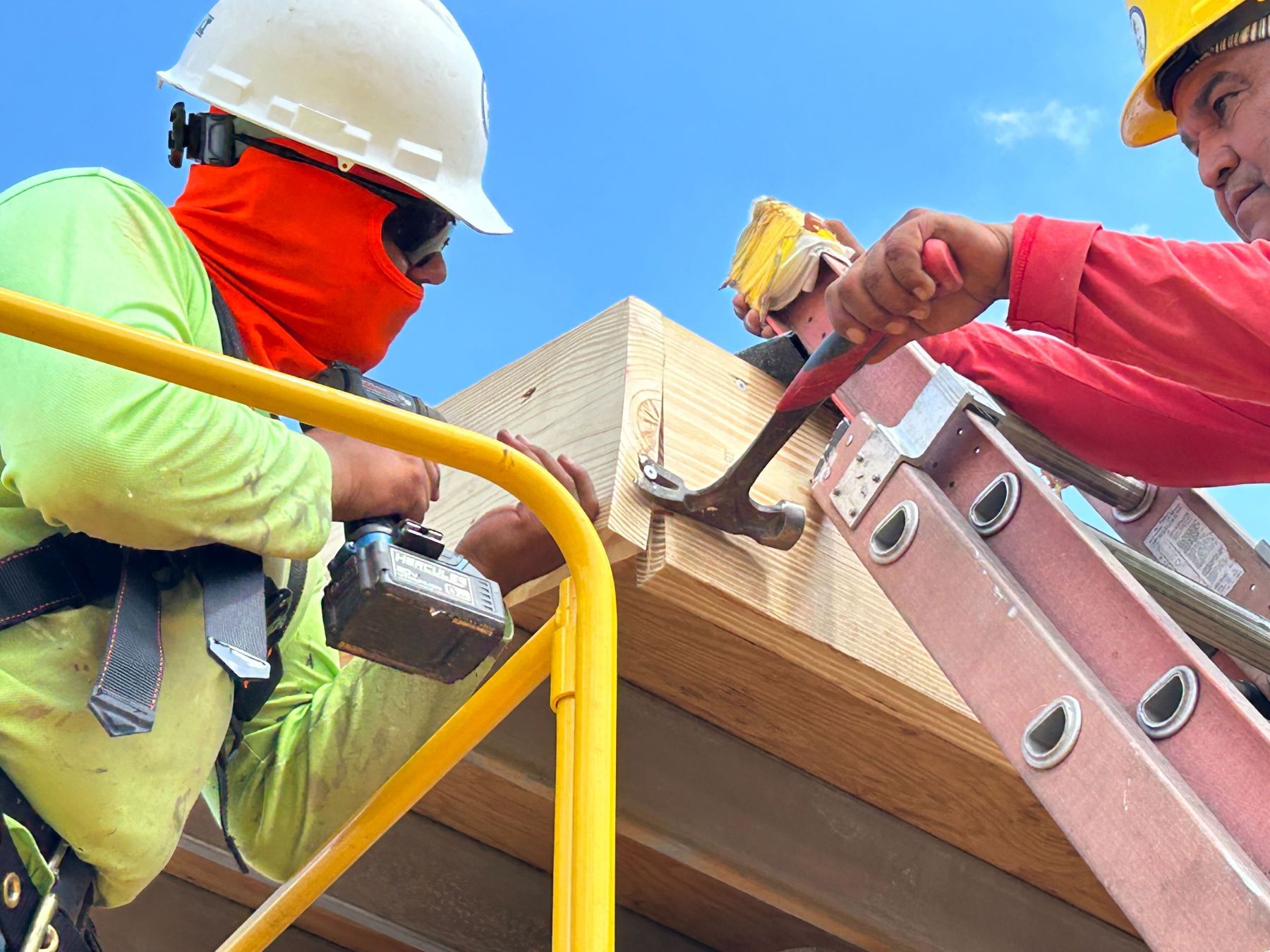
For chief engineers and facility leaders, few responsibilities carry more long-term risk than managing building safety. While interior systems often receive the most attention, the roof remains one of the most overlooked, and one of the most dangerous, areas of a commercial property. Prioritizing roof safety is not just a matter of compliance; it is a critical strategy for reducing liability, protecting workers, and extending the life of the building itself.
The Hidden Liability Above Your Head
Commercial roofs are accessed more frequently than many realize. HVAC servicing, equipment inspections, drainage checks, and emergency repairs all require personnel to work at height. Each visit introduces potential risk, especially if safety measures are outdated, damaged, or nonexistent. Slips, trips, and falls remain among the leading causes of serious workplace injuries, and incidents involving roofs often result in costly claims, legal exposure, and operational downtime.
From a liability standpoint, chief engineers are often seen as key decision-makers responsible for ensuring that safe access and fall protection systems are in place. When accidents occur, lack of proper safeguards or documented safety procedures can significantly increase legal and financial consequences.
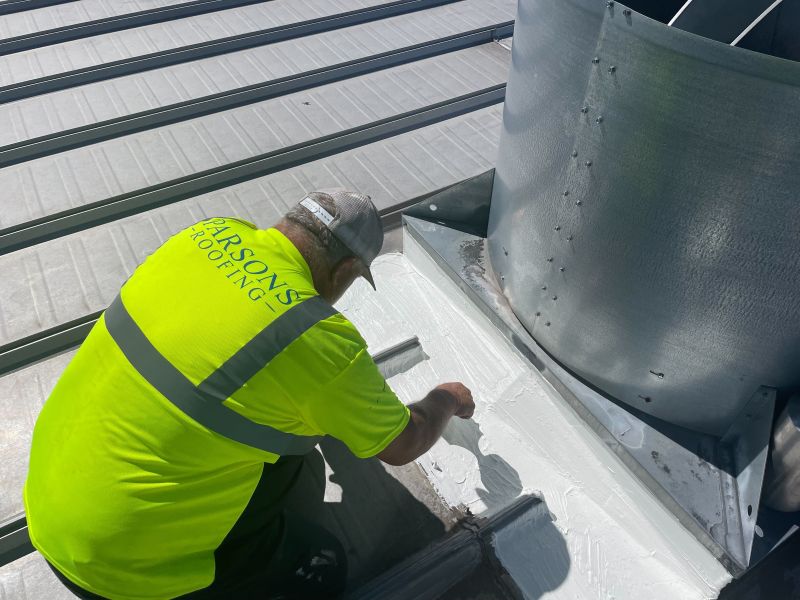
Compliance Is Only the Starting Point
Meeting minimum regulatory requirements is essential, but compliance alone does not eliminate risk. Safety standards evolve, buildings age, and roof conditions change over time. What was compliant five or ten years ago may no longer be adequate today.
Chief engineers who take a proactive approach, regularly reviewing roof conditions and safety features, are far better positioned to prevent incidents before they happen. This includes evaluating guardrails, warning lines, skylight protection, access points, and roof walk paths. Small upgrades can make a substantial difference in reducing exposure to accidents and liability.
Protecting Everyone Who Accesses the Roof
Roof safety is not limited to in-house maintenance staff. Contractors, inspectors, and service providers also rely on the building owner or manager to provide a safe working environment. Even if outside vendors carry their own insurance, liability can still extend back to the property owner if unsafe conditions are present.
By prioritizing roof safety, chief engineers demonstrate due diligence and a commitment to protecting anyone who accesses the roof. This not only reduces legal risk but also strengthens relationships with contractors and service partners who value well-managed facilities.
The Financial Benefits of Prevention
Investing in roof safety systems is often far more cost-effective than responding to an accident. Medical expenses, workers’ compensation claims, legal fees, insurance premium increases, and reputational damage can quickly surpass the cost of preventative measures.
Additionally, safer roofs tend to be better maintained. Clear walk paths, controlled access points, and routine inspections help prevent accidental damage to roofing membranes and equipment. Over time, this leads to fewer emergency repairs, improved roof performance, and a longer service life—delivering real return on investment.
Documentation and Risk Management
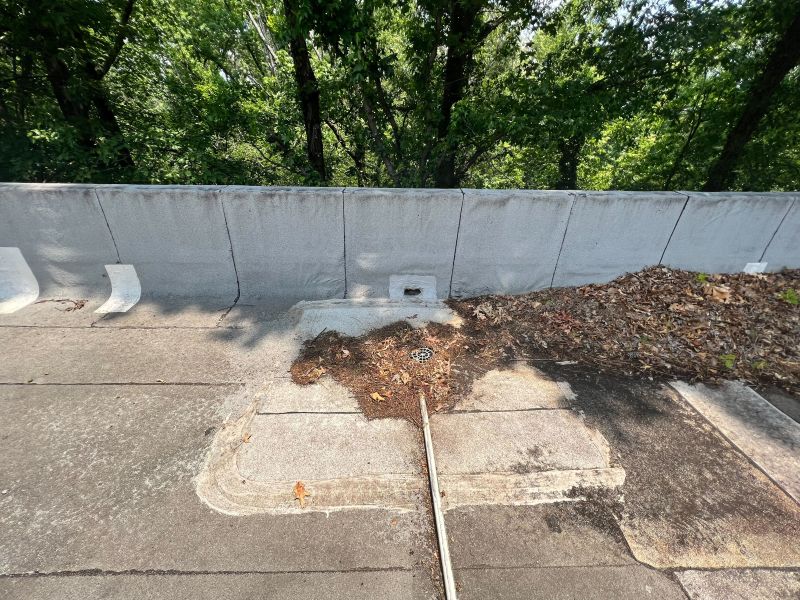
Another key aspect of reducing liability is documentation. Chief engineers should ensure that roof inspections, maintenance activities, and safety upgrades are properly recorded. Documentation demonstrates that reasonable steps were taken to identify hazards and address them, which can be invaluable in the event of a claim or audit.
Partnering with a professional commercial roofing company can help streamline this process. Experienced roofing professionals can assess current conditions, recommend appropriate safety improvements, and provide reports that support broader risk management efforts.
A Proactive Safety Culture Starts at the Top
Ultimately, roof safety is part of a larger safety culture. When chief engineers prioritize safe access and fall protection, it sends a clear message throughout the organization that safety is non-negotiable. This mindset encourages accountability, reduces complacency, and helps prevent incidents across all building systems, not just the roof.
Final Thoughts
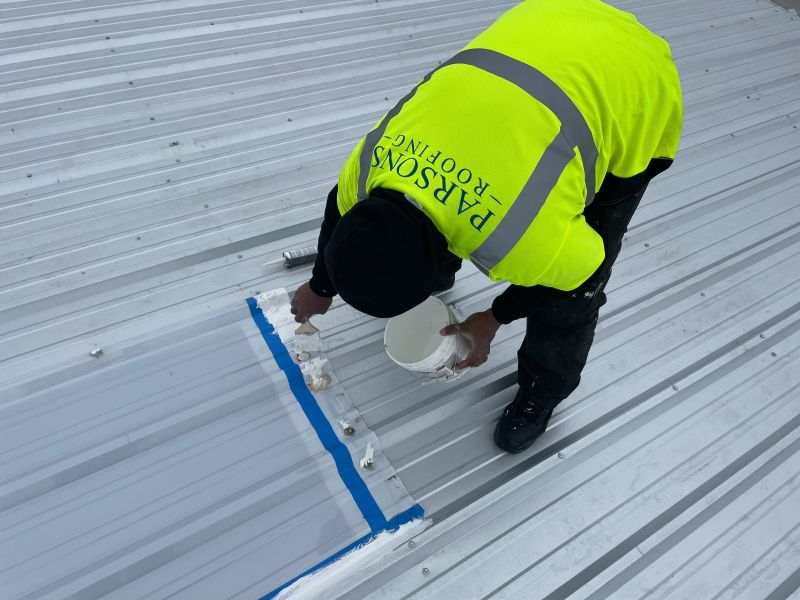
Reducing liability begins with recognizing risk, and few areas pose as much potential exposure as the commercial roof. By prioritizing roof safety, chief engineers protect people, assets, and their organization’s financial well-being. Proactive assessments, strategic upgrades, and professional partnerships transform the roof from a liability into a well-managed component of a safe, efficient facility.
If your facility’s roof safety hasn’t been reviewed recently, now is the time to take a closer look before a preventable incident becomes a costly problem!