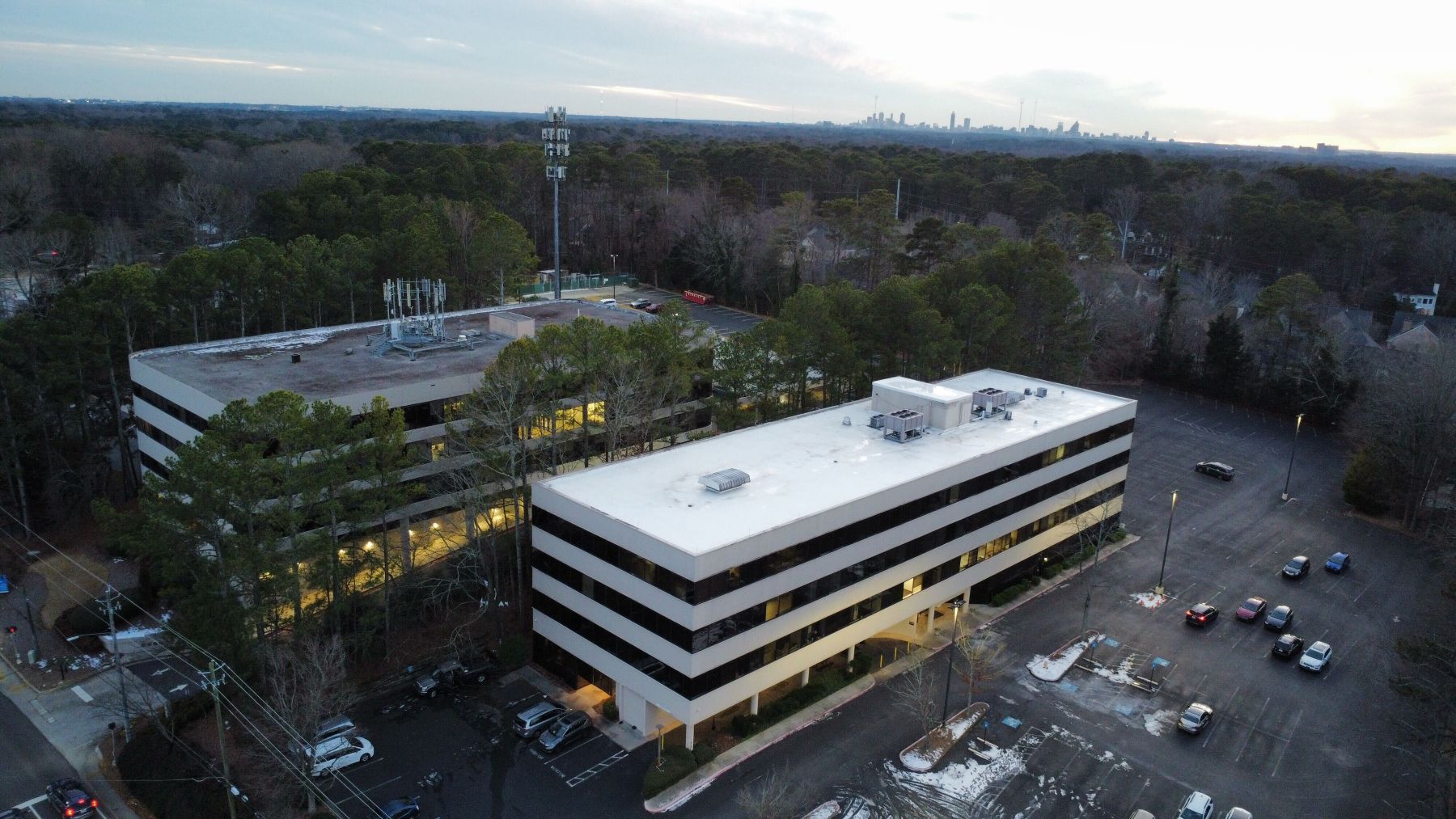

A commercial roof is one of the most important investments your building will ever require. Whether you manage an industrial warehouse, an office building, a retail center, or a manufacturing facility, the roof protects everything beneath it: your operations, inventory, equipment, and people. So it’s no surprise that property managers often ask one essential question: How long does a commercial roof actually last?
The answer depends on several factors, including the type of roofing system, installation quality, climate, and maintenance practices. Below, we break down the typical lifespan of the most common commercial roof types and what you can do to extend the life of your investment.

Typical Lifespans of Commercial Roofing Systems
TPO (Thermoplastic Polyolefin): 20–30 Years
TPO is one of the most popular commercial roofing systems used today. Known for its energy efficiency, heat-welded seams, and durability, a well-installed TPO roof can last two to three decades.
What affects TPO lifespan?
- Thickness of the membrane (45mil vs. 60–80mil)
- Quality of installation
- UV exposure
- Regular inspections and repairs
Choosing a high-quality membrane and working with an experienced installer significantly increases its longevity.
EPDM (Ethylene Propylene Diene Monomer): 25–30+ Years
EPDM, also known as “rubber roofing,” is valued for its long lifespan and resilience. This membrane is flexible, easy to repair, and performs extremely well in fluctuating temperatures—making it ideal for large buildings in variable climates.
Key benefits:
- Long-term weather resistance
- Fewer seams, reducing leak points
- Cost-effective repairs and long-term maintenance
With consistent upkeep, EPDM roofs can exceed 30 years.
PVC (Polyvinyl Chloride): 20–30 Years
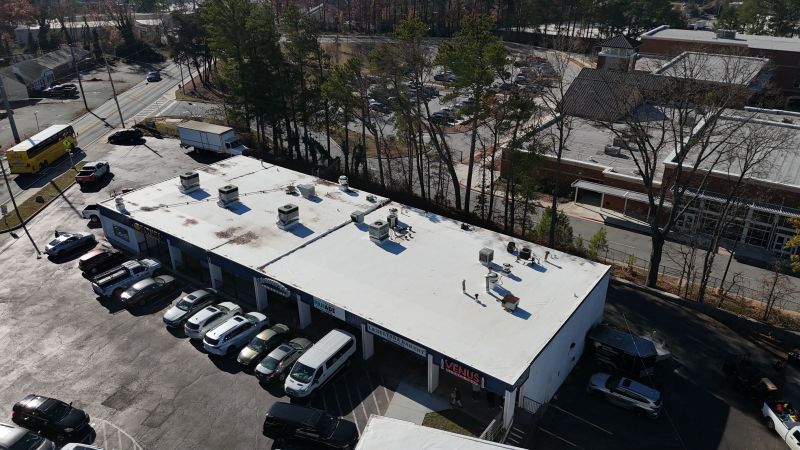
PVC roofing is a premium option commonly used on restaurants, industrial buildings, and facilities requiring strong chemical resistance. Its heat-welded seams make it extremely watertight.
What helps PVC last longer?
- Proper installation
- Good drainage
- Routine maintenance
PVC is strong, but like any membrane, its lifespan declines without proactive care.
Modified Bitumen: 15–25 Years
Modified bitumen roofs are an evolution of traditional asphalt roofing systems. They’re layered, durable, and can be installed using several methods (torch-applied, cold-applied, self-adhered).
Why the lifespan varies:
- Number of plies
- Exposure to extreme temperatures
- Foot traffic
This is a reliable system but benefits greatly from routine inspections.
Built-Up Roofing (BUR): 20–30 Years
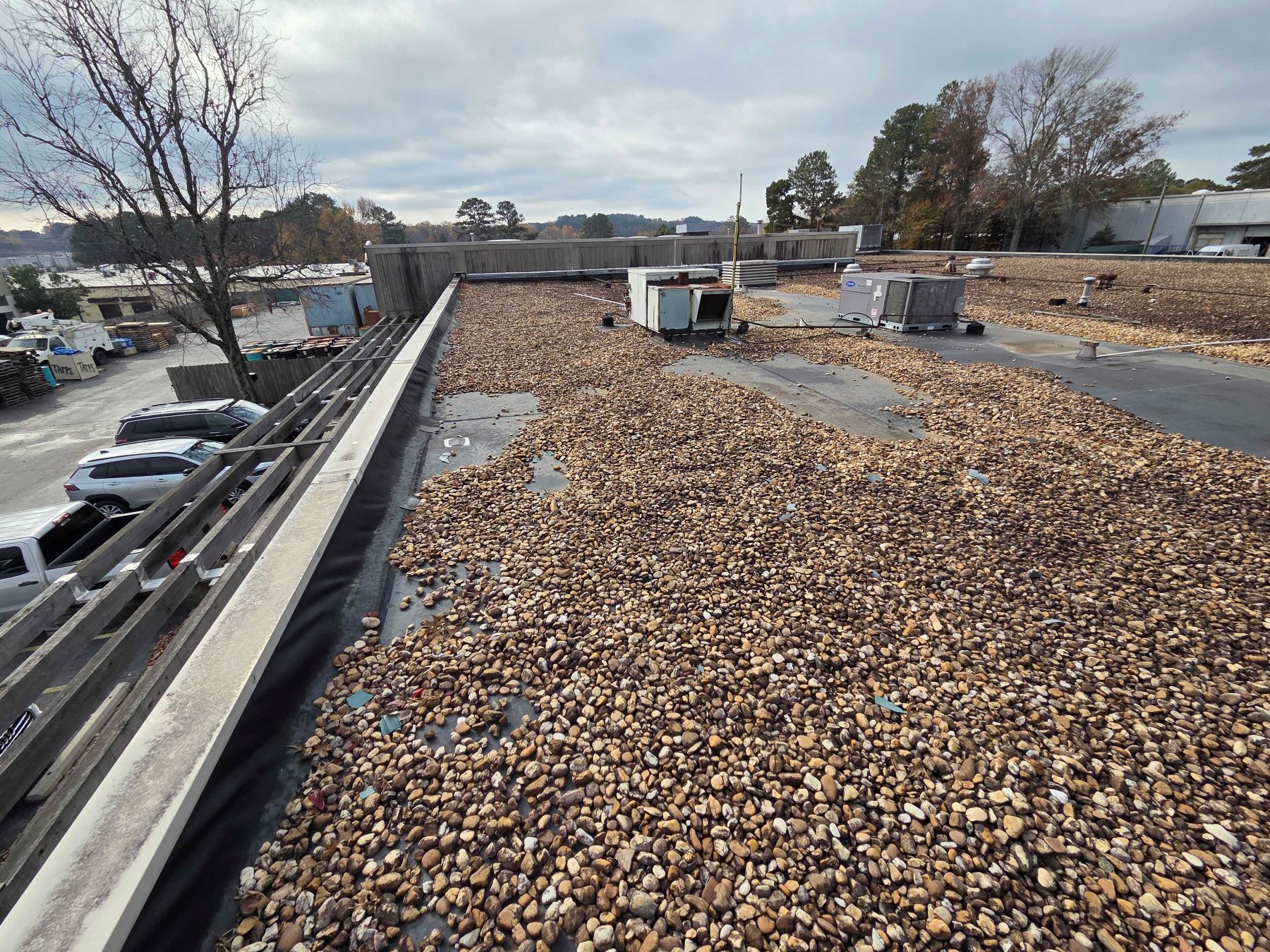
Often referred to as “tar and gravel,” BUR roofs offer high durability thanks to their multiple layers. These systems handle foot traffic well and provide strong waterproofing.
However, they can be heavy, so proper structural support is key.
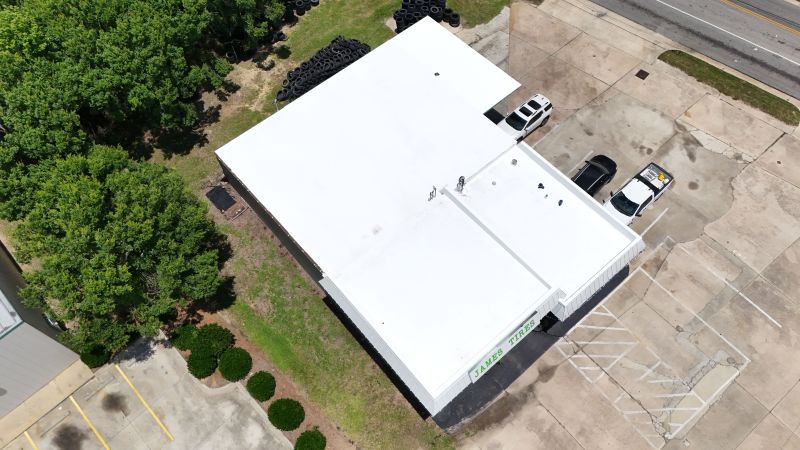
Metal Roofing: 40–60+ Years
Metal roofing is one of the longest-lasting commercial roofing options available. With proper installation and maintenance, a metal system can outperform other roofs by decades.
Why metal lasts so long:
- High wind and fire resistance
- Exceptional durability
- Ability to be retrofitted rather than replaced
Rust prevention and periodic tightening of fasteners help extend its lifespan even further.
Factors That Impact the Lifespan of a Commercial Roof
Even the longest-lasting roof can fail early if certain conditions aren’t managed. Key factors include:
1. Quality of Installation
A roof is only as good as its installation. Poor workmanship leads to early membrane failure, seam separation, and chronic leaks.
2. Climate and Weather
Atlanta’s hot summers, humidity, and occasional winter freezes cause rapid roof expansion and contraction, accelerating wear and tear.
3. Foot Traffic
Commercial rooftops often support HVAC units, technicians, and maintenance workers. More traffic increases the risk of accidental damage.
4. Maintenance Practices
Routine inspections are the number one way to extend roof life. Property managers who schedule inspections twice a year commonly see significantly fewer leaks and emergency repairs.
How to Maximize Your Roof’s Lifespan
- Schedule biannual inspections (spring and fall)
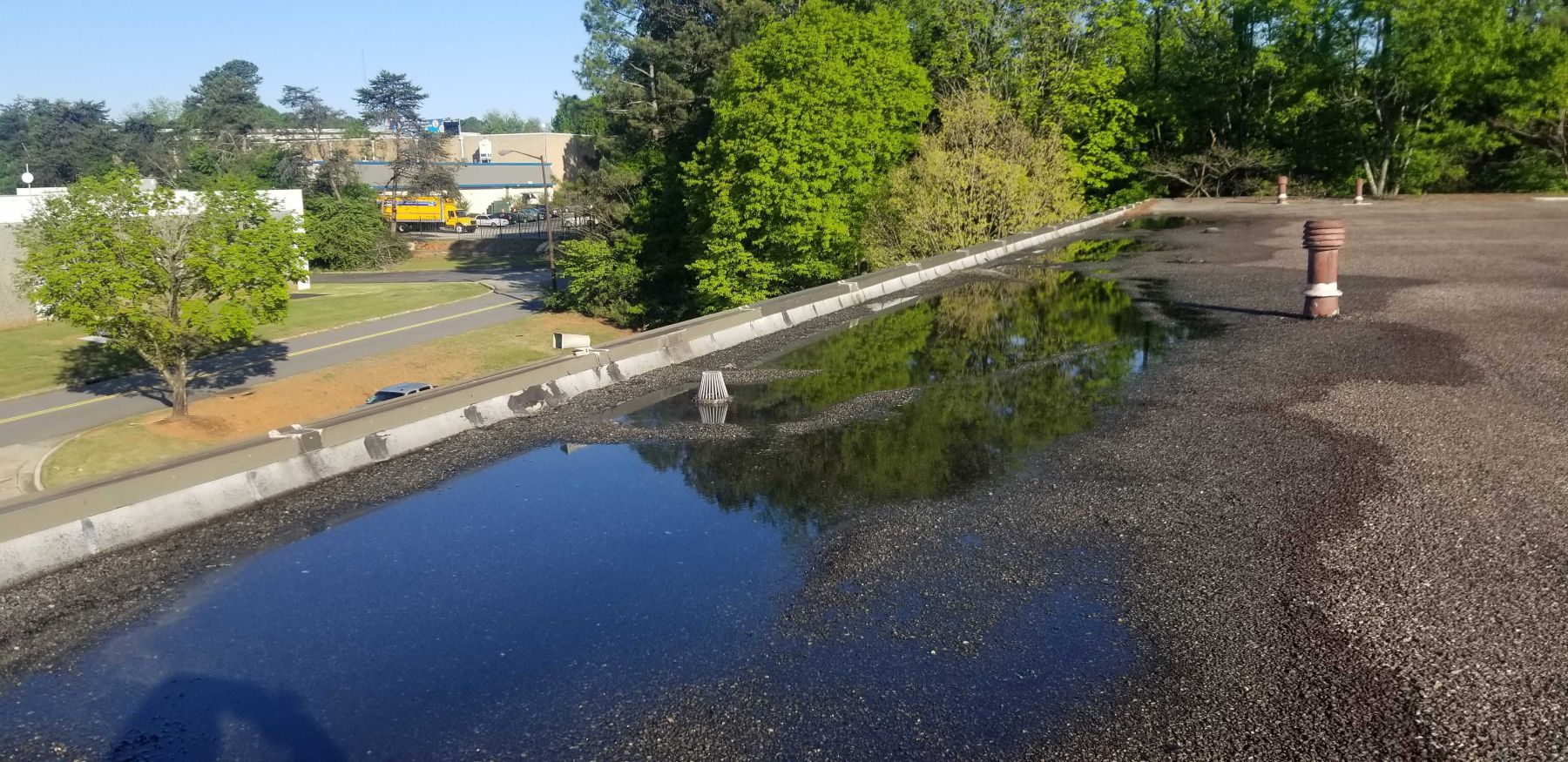
- Clear debris to maintain proper drainage
- Address small repairs early before they become costly issues
- Monitor penetration points such as HVAC units and vents
- Document all roof activity for warranty protection
A proactive approach adds years to your roof’s life, and saves thousands in repair and replacement costs.
Final Thoughts
So how long does a commercial roof last? Depending on the system and how it’s cared for, anywhere from 15 to over 60 years. The key to maximizing this lifespan is choosing the right roofing system, ensuring high-quality installation, and staying consistent with inspections and maintenance.