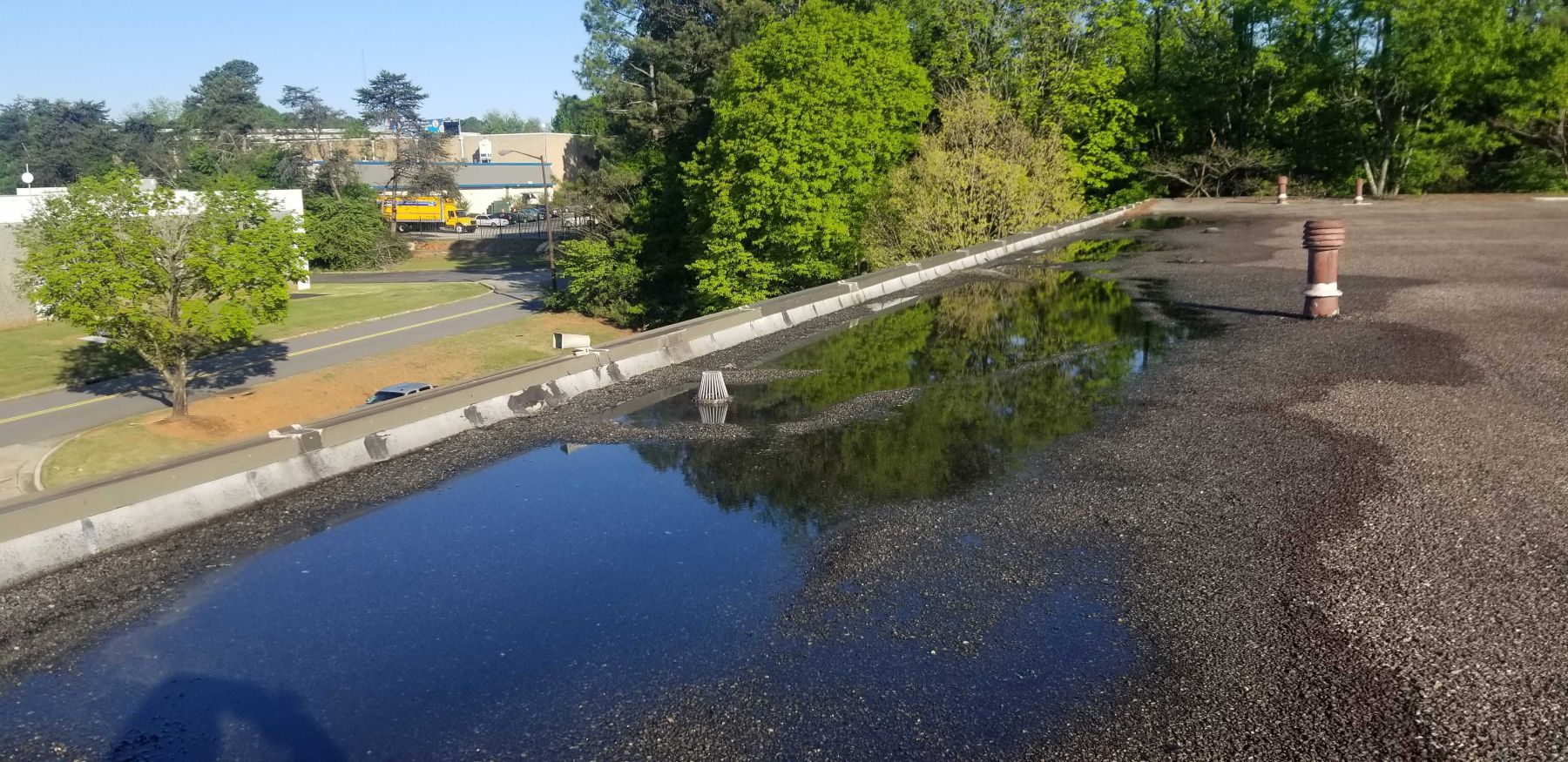
A commercial roof is one of the largest capital investments in any building, yet it is often one of the most overlooked assets until a problem occurs. Leaks, ponding water, membrane damage, and insulation issues typically do not appear overnight—they develop gradually over time. Without a structured approach to roof asset management, minor issues can escalate into costly repairs or premature roof replacement.
Roof asset management is the proactive process of inspecting, maintaining, documenting, and planning for your roofing system throughout its lifecycle. When done correctly, it can significantly extend the life of your commercial roof, reduce operating expenses, and improve long-term budgeting accuracy.
What Is Roof Asset Management?
Roof asset management involves treating your roof as a long-term asset rather than a reactive expense. This includes maintaining detailed records of roof age, system type, warranty information, inspection reports, repairs, and projected remaining service life. By understanding the condition of your roof at all times, property owners and managers can make informed decisions about maintenance, repairs, and capital improvements.
Instead of waiting for leaks or failures, roof asset management focuses on preventing issues before they occur.
The Importance of Routine Inspections
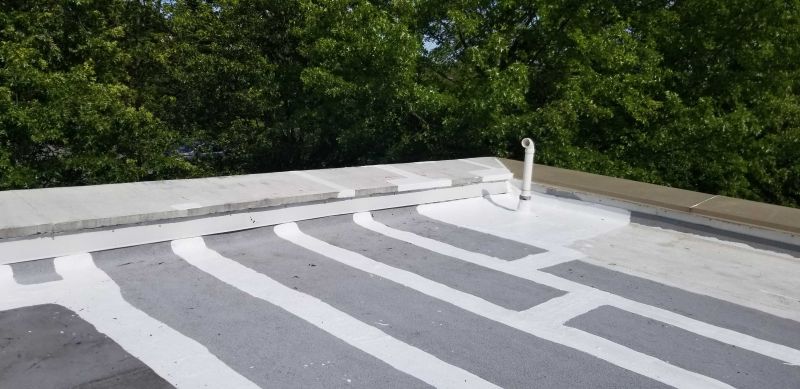
Regular roof inspections are the foundation of any successful asset management program. Most manufacturers and industry standards recommend inspections at least twice per year—typically in the spring and fall—as well as after major weather events.
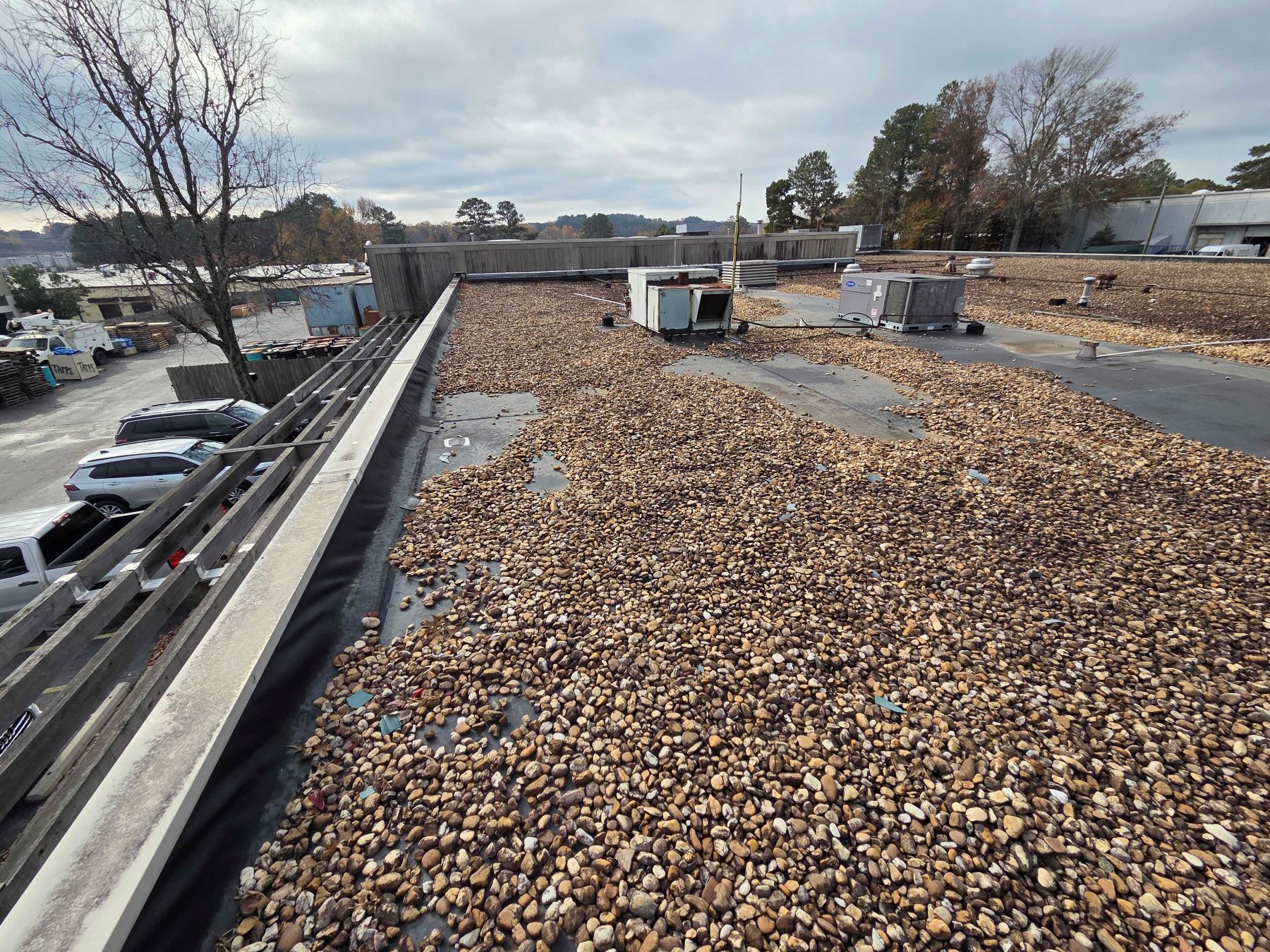
Professional inspections identify early signs of deterioration such as:
- Membrane punctures or tears
- Open seams or flashing failures
- Ponding water and drainage issues
- Deteriorated sealants
- Damage from foot traffic or rooftop equipment
Catching these issues early allows for low-cost repairs that can prevent widespread damage and extend the roof’s service life by years.
Preventative Maintenance Pays Off
Preventative maintenance addresses small issues before they become big problems. This may include resealing penetrations, repairing minor membrane damage, cleaning drains, and reinforcing high-traffic areas with walkway pads.
Compared to emergency leak repairs or premature replacement, preventative maintenance is relatively inexpensive and offers a strong return on investment. Buildings with consistent maintenance programs routinely achieve or exceed their roof’s expected lifespan.
In addition to cost savings, preventative maintenance helps preserve manufacturer warranties, many of which require documented inspections and repairs.
Documentation and Record Keeping
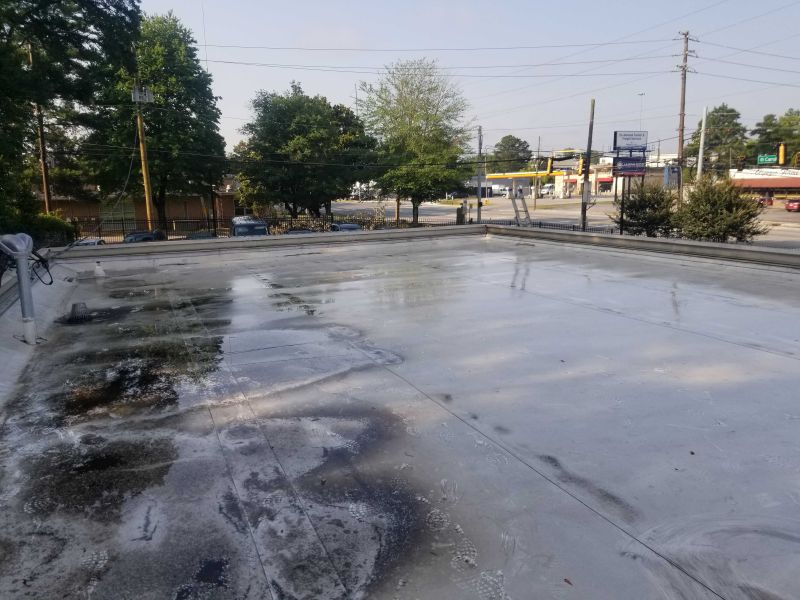
A key component of roof asset management is maintaining accurate documentation. This includes:
- Original installation details
- System type and manufacturer
- Warranty terms and expiration dates
- Inspection and repair reports
- Photos and drawings
Centralizing this information allows property managers to quickly assess roof conditions, support warranty claims, and provide transparency to ownership or investors.
For portfolios with multiple properties, standardized documentation ensures consistency and simplifies long-term planning.
Capital Planning and Forecasting
One of the greatest advantages of roof asset management is improved capital planning. Rather than being surprised by a sudden roof failure, owners can forecast future expenses and budget accordingly.
Using inspection data, a roofing professional can estimate remaining service life and identify when major repairs or replacement may be needed. This allows owners to:
- Spread costs over multiple years
- Align roof projects with broader capital improvement plans
- Avoid emergency replacements at premium pricing
Proactive capital planning leads to better financial control and fewer operational disruptions.
Partnering With the Right Roofing Contractor
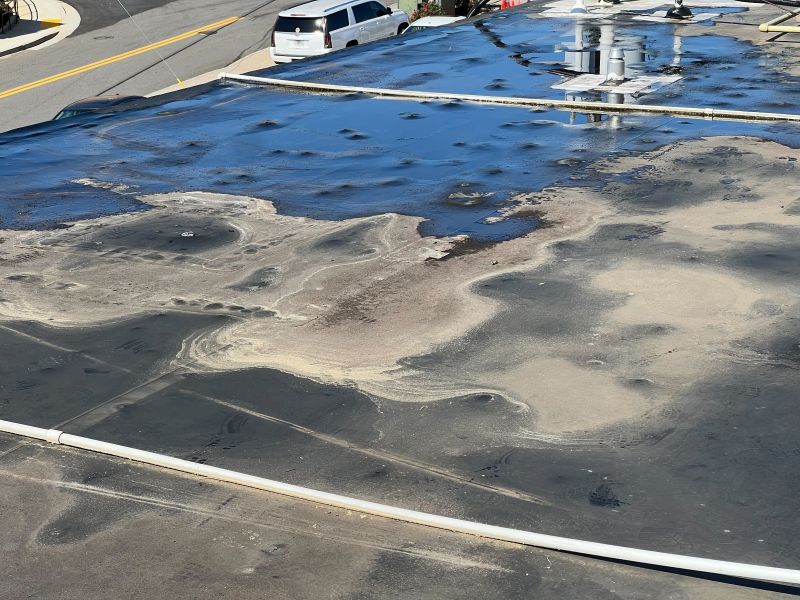
Successful roof asset management depends heavily on working with a qualified commercial roofing contractor. A reliable partner provides consistent inspections, honest assessments, detailed reporting, and practical recommendations tailored to your building and budget.
Look for a contractor with manufacturer certifications, strong safety practices, and experience managing commercial portfolios. A long-term relationship with the right contractor creates continuity and accountability throughout the roof’s lifecycle.
Extending Roof Life Through Smart Management
With proper asset management, many commercial roofing systems can last several years beyond their original design life. The key is consistency, routine inspections, timely maintenance, thorough documentation, and forward-thinking planning.
Your roof protects everything beneath it. Treating it as a strategic asset rather than a reactive expense is one of the smartest decisions a property owner or manager can make.