Commercial Roof Retro-fit
Many commercial metal roofs begin leaking long before the panels structurally fail. Parsons Roofing Company restores aging metal roofing systems by sealing fasteners, correcting details, and installing protective systems that extend service life without requiring full replacement.
Benefits
Cost Savings
Retrofits are more affordable than full roof replacements, reducing upfront expenses and long-term maintenance costs
Energy Efficiency
Upgraded roofing materials improve insulation and reduce energy consumption, lowering utility bills
Sustainability
Extending the life of the existing roof reduces waste and supports environmentally-friendly building practices
How does Retro-fit work on a commercial flat roof?
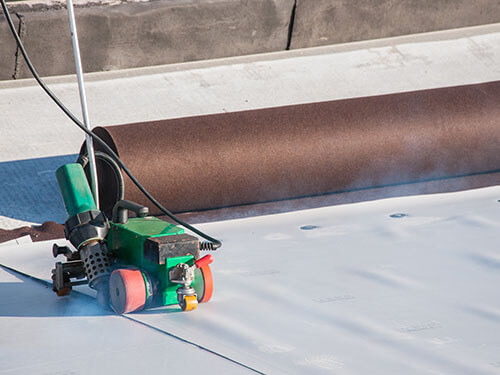
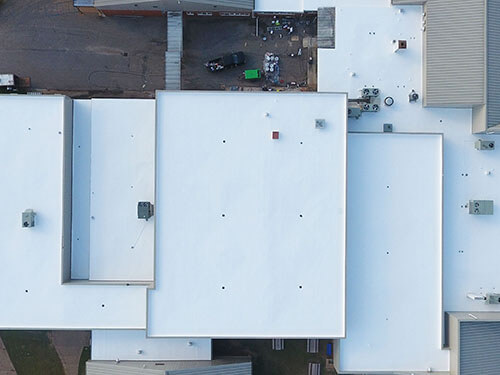
A retro-fit on a commercial flat roof involves upgrading or replacing the existing roofing system with a new, more efficient one without completely tearing off the old roof. This process typically includes adding insulation, a new membrane, or other roofing materials over the current structure to improve energy efficiency, extend the roof’s lifespan, and enhance overall performance. Retro-fitting can address issues like leaks, poor insulation, or outdated materials while avoiding the cost and disruption of a full replacement. Common retro-fit solutions include installing a reflective roofing membrane to reduce energy costs or adding a tapered insulation system to improve drainage.
Metal Roof Restoration Services
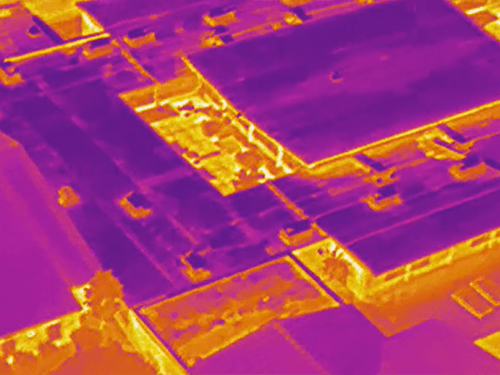
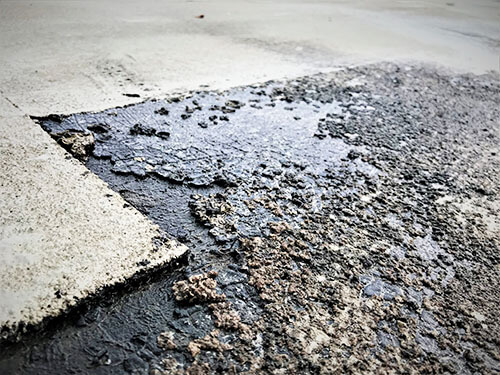
Metal restoration focuses on correcting common failure points such as fasteners, seams, penetrations, and flashing details. Protective coatings can also be applied along with a leak-free warranty.
-
Fastener inspection and replacement
-
Seam and penetration sealing
-
Flashing repairs
-
Rust treatment
-
Protective restoration systems
Why Property Owners Choose Parsons Roofing
Metal roofs often fail at the details rather than the panels. Identifying the correct repair locations prevents unnecessary replacements and allows owners to extend the roof’s service life responsibly.
-
Experience with aging metal systems
-
Detail-focused repair approach
-
Life extension before replacement
-
Minimal disruption to operations
-
Controlled project scope
-
Long-term planning guidance
Can Your Commercial Roof Be Restored?
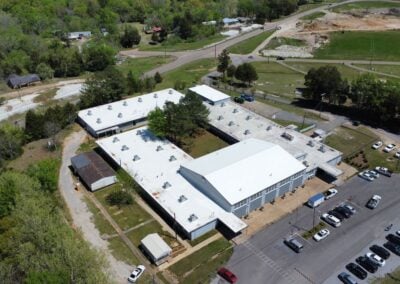
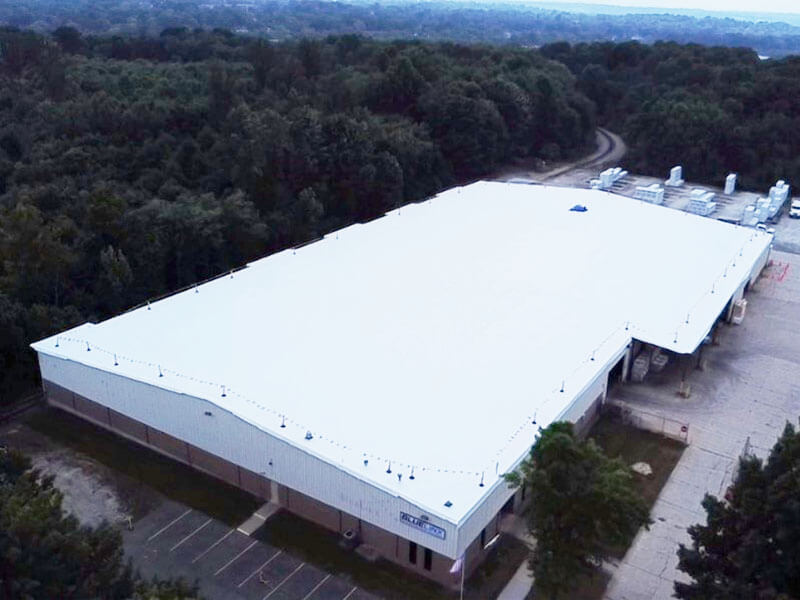
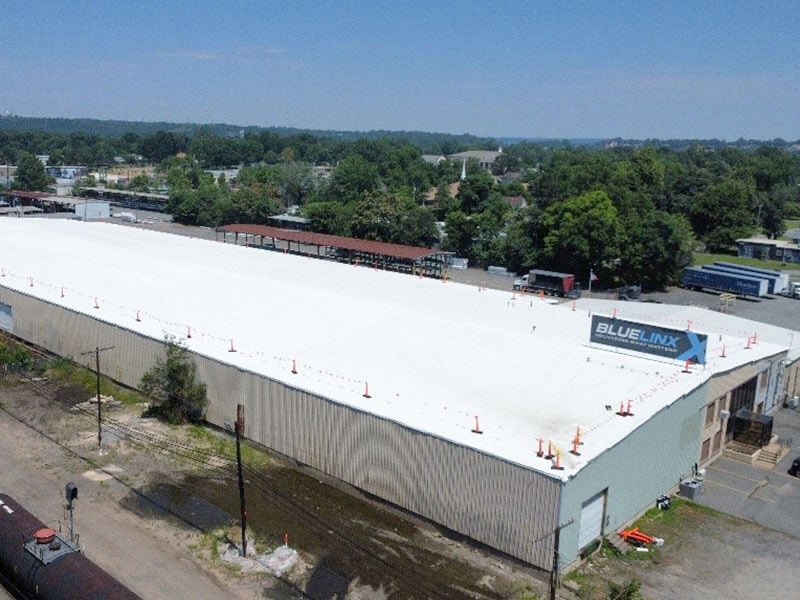
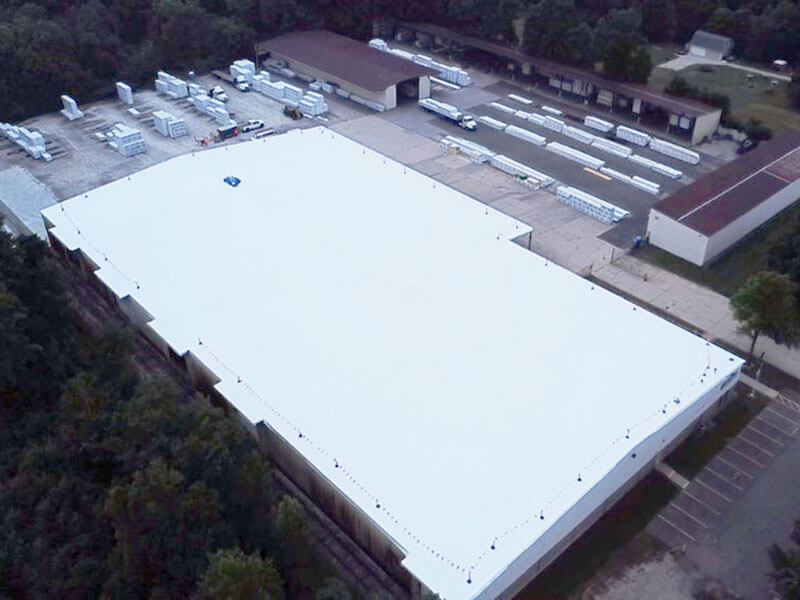
Manufacturing Facility – Metal Leak Restoration
Multiple leaks developed across an aging metal roof. Fasteners and details were corrected and the system stabilized to extend service life
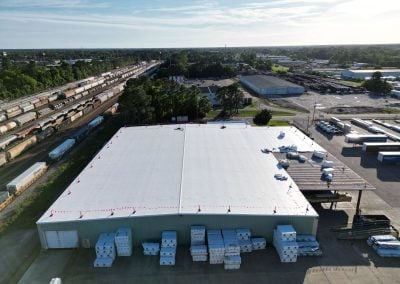
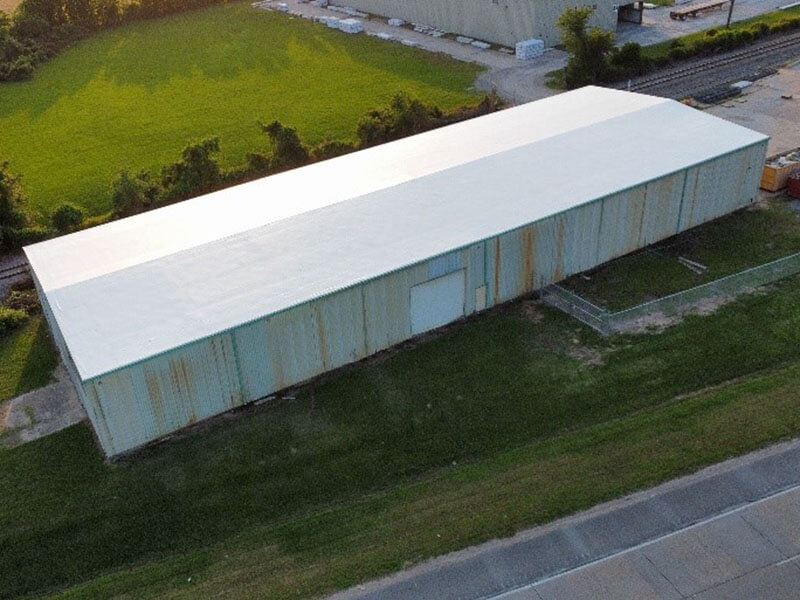
Warehouse – Seam and Fastener Repair
Recurring leaks were traced to seam movement and penetration details. Additionally, fastener grommets had degraded over time, causing numerous leaks throughout sections of the roof. Targeted repairs eliminated interior water intrusion.
What types of Roofs can use Retro-fit as an option?
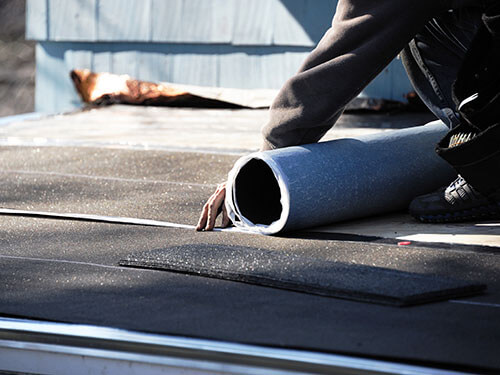
Flat roofs are the most common candidates for retro-fit projects. Whether made of built-up roofing (BUR), modified bitumen, or an older single-ply membrane, retro-fitting can improve insulation, drainage, and overall roof performance. TPO and EPDM are popular single-ply roofing systems in many commercial buildings. If these roofs are aging or showing signs of wear, they can be retrofitted with new membranes or additional insulation to enhance energy efficiency and extend lifespan. Older built-up roofing systems, which consist of multiple layers of bitumen and reinforcing fabrics, can be retrofitted with new layers, coatings, or membranes. This is an effective way to improve waterproofing and enhance energy efficiency without completely tearing off the existing roof. Retro-fitting can also apply to metal roofing systems, especially if the roof shows signs of wear or is outdated. Retro-fit options might include adding a new coating for corrosion resistance or applying a reflective membrane to improve energy efficiency.
Commercial Retro-fit Roof Benefits
Cost-Effective
- Retro-fitting is typically more affordable than a full roof replacement, as it eliminates the need for complete tear-off and disposal of the existing roof materials. This can result in significant savings on labor and materials.
Energy Efficiency
- Adding a reflective membrane or improved insulation during a retro-fit can help reduce heating and cooling costs by improving the building's thermal performance and lowering energy consumption.
Extended Roof Life
- By upgrading the existing roofing system, retrofitting can extend the roof lifespan, protecting the building from leaks and further damage, and delaying the need for a full replacement.
Faster Installation
- Retro-fit roofing systems are typically quicker to install than a full replacement, meaning less disruption to building operations and potentially shorter downtime.
Environmental Impact
- Since retro-fitting involves reusing the existing roof structure, it generates less waste than a full tear-off, making it a more sustainable option and reducing the environmental footprint of your roofing project.
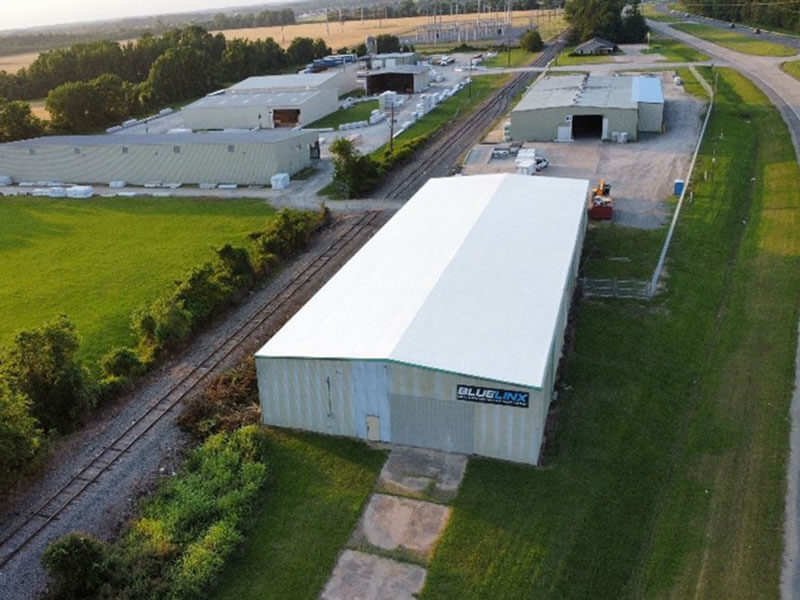
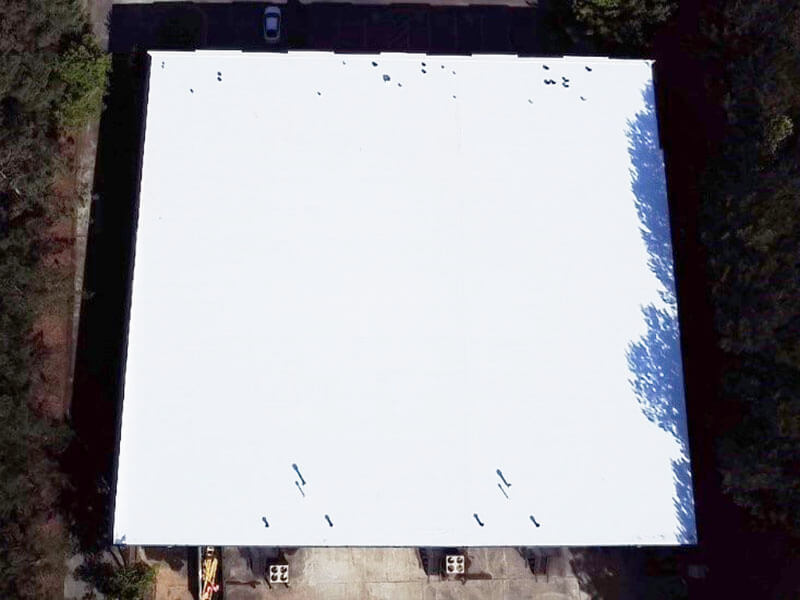
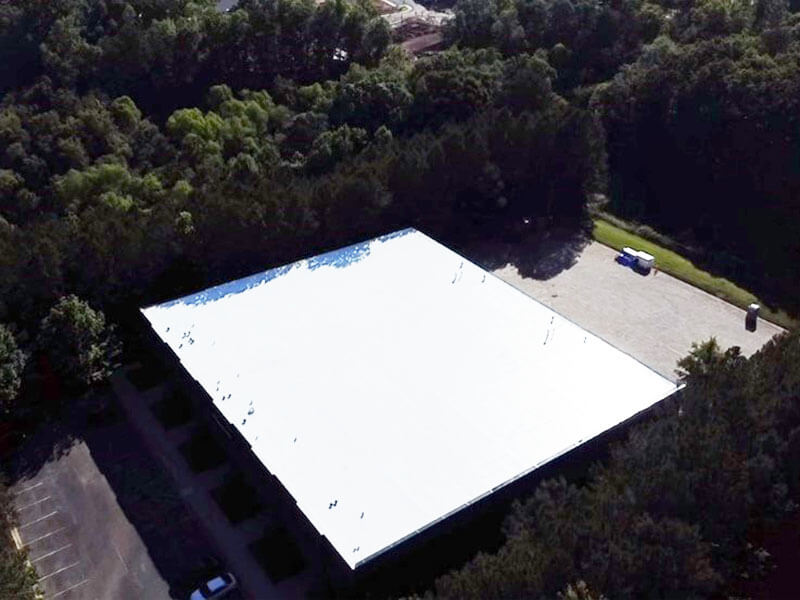
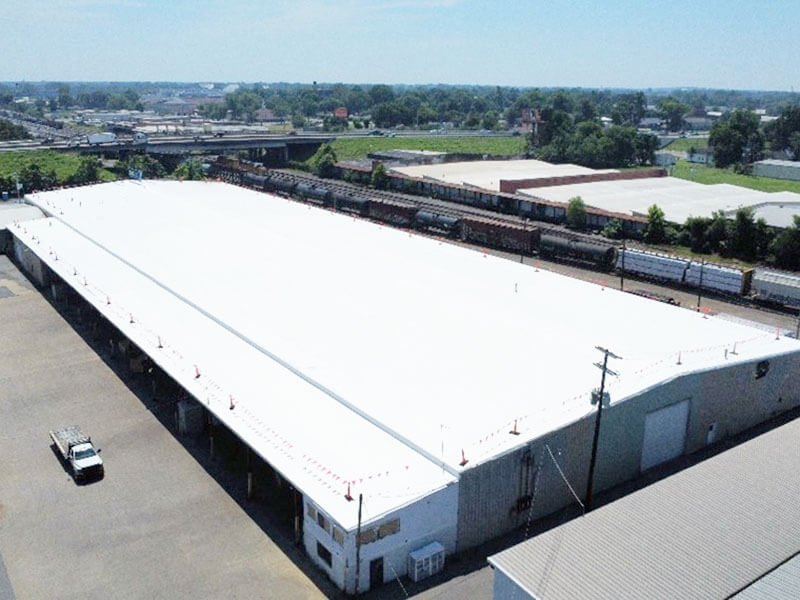
Commercial Roofing Retro-Fits
Commercial Roof Maintenance Questions
Can a leaking metal roof be repaired instead of replaced?
In many cases yes. Metal roofs commonly leak at fasteners, seams, and penetrations rather than the panels themselves. Correcting these areas can extend service life significantly if the structure remains sound.
How long will a metal roof restoration last?
Longevity depends on roof condition and maintenance, but restoration can add many years of service life when deterioration is limited to details rather than structural failure.
What causes metal roof leaks?
Most leaks develop from fastener back-out, thermal movement at seams, and aging flashing around penetrations. Identifying the true source prevents repeated service calls.
When does a metal roof need replacement?
Replacement becomes necessary when panels are structurally compromised, widespread corrosion is present, or movement has exceeded repairable limits.
Schedule a Commercial Roof Evaluation
If your building has leaks, an aging roof, or you need help planning future repairs or replacement, a documented evaluation is the first step. Our team provides clear information about roof condition and practical options moving forward so you can make informed decisions.
Related Posts
Posts from our resources related to TPO Roofing and Retro-fits
Commercial Retro-fit Projects
Retro-fit commercial roofing projects can be customized to meet specific building needs, minimizing disruption to operations while providing long-term durability and improved sustainability.