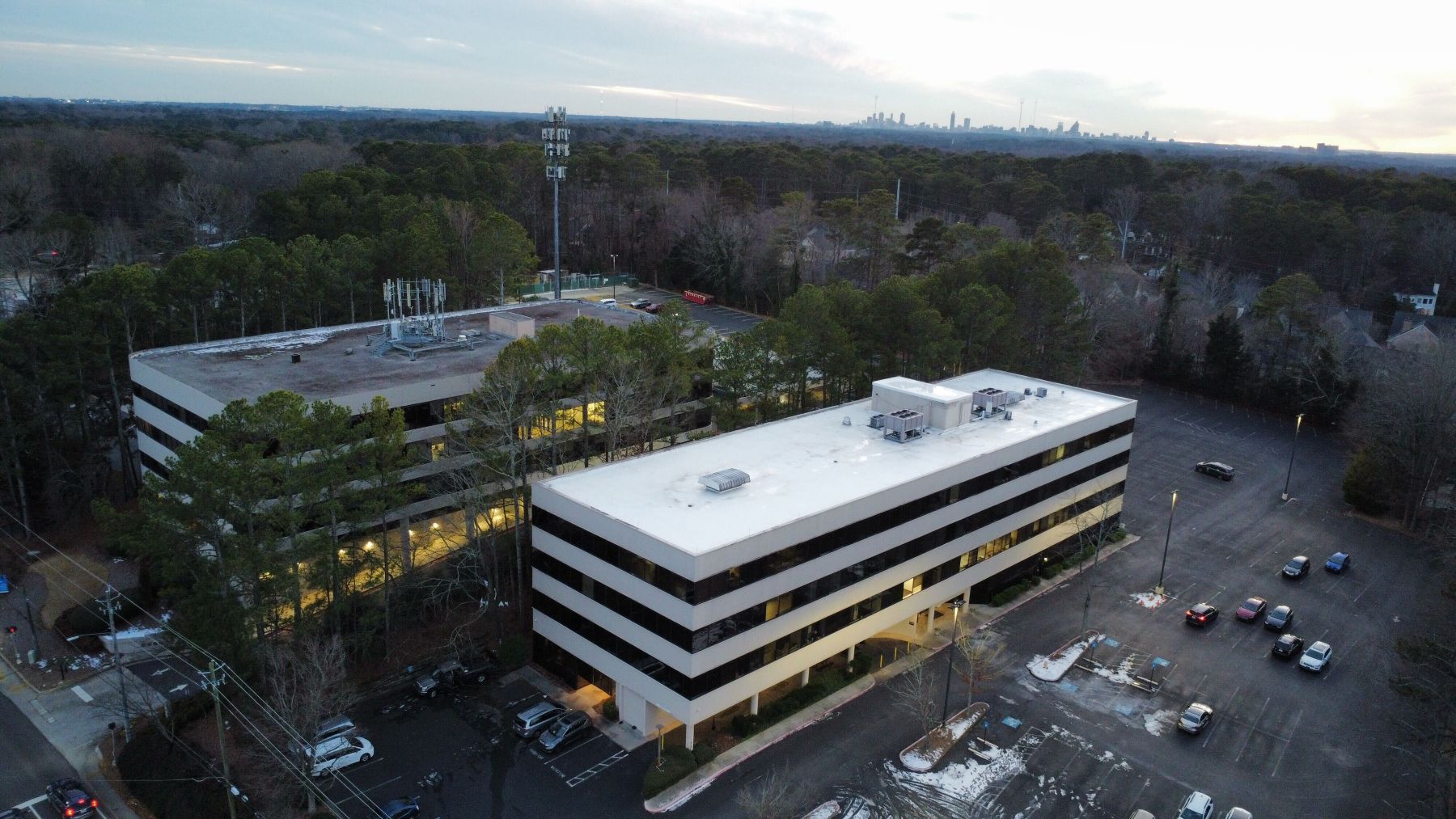
When it comes to commercial buildings, energy efficiency isn’t just a buzzword, it’s a bottom‑line advantage. One of the most effective yet often overlooked ways to reduce energy consumption is through the installation of a cool roof. As businesses look for ways to cut operating costs, improve sustainability, and extend the life of their roofing systems, cool roofs have quickly become a smart, forward‑thinking solution.
What Is a Cool Roof?
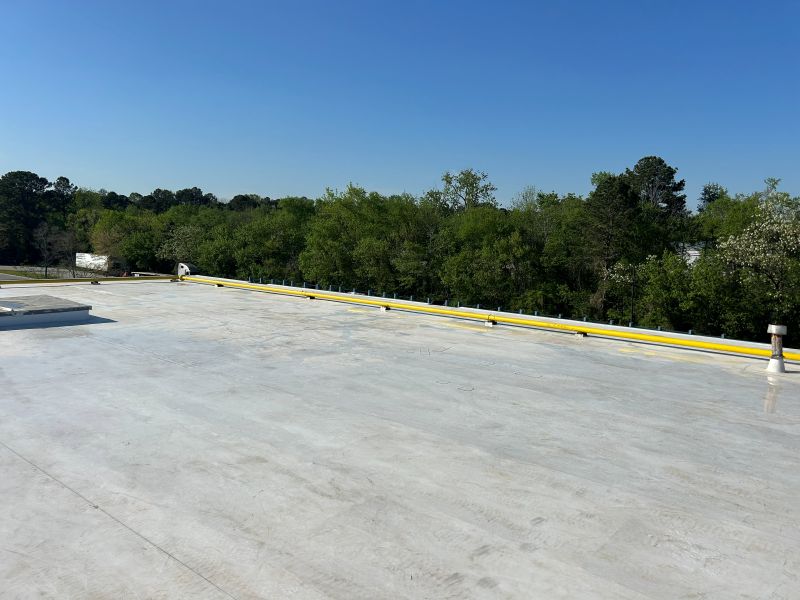
A cool roof is designed to reflect more sunlight and absorb less heat than a standard roof. While traditional dark roofing materials can reach temperatures of 150°F or more on a hot summer day, cool roofs stay significantly cooler thanks to their reflective surfaces and high thermal emittance. This is achieved through specialized coatings, reflective membranes, or light‑colored roofing materials engineered to bounce solar energy away from the building.
How Cool Roofs Improve Energy Efficiency
The primary benefit of a cool roof is its ability to reduce heat transfer into the building. When the roof stays cooler, the interior stays cooler, and that means your HVAC system doesn’t have to work as hard. For commercial buildings, which often have large, flat roof surfaces exposed to direct sunlight, the impact can be substantial.
Here’s how cool roofs contribute to energy efficiency:
- Lower Cooling Costs: By reducing heat absorption, cool roofs can cut air‑conditioning demand by up to 15% in some buildings. This translates into real savings during peak summer months.
- Reduced HVAC Strain: When cooling systems run less frequently, they experience less wear and tear. This can extend the lifespan of your equipment and reduce maintenance costs.
- More Stable Indoor Temperatures: Cool roofs help maintain more consistent indoor temperatures, improving comfort for employees, customers, and tenants.
- Peak Demand Reduction: Lower energy usage during the hottest parts of the day helps reduce strain on the electrical grid, and may qualify your building for utility incentives or rebates.
Cool Roof Materials and Options
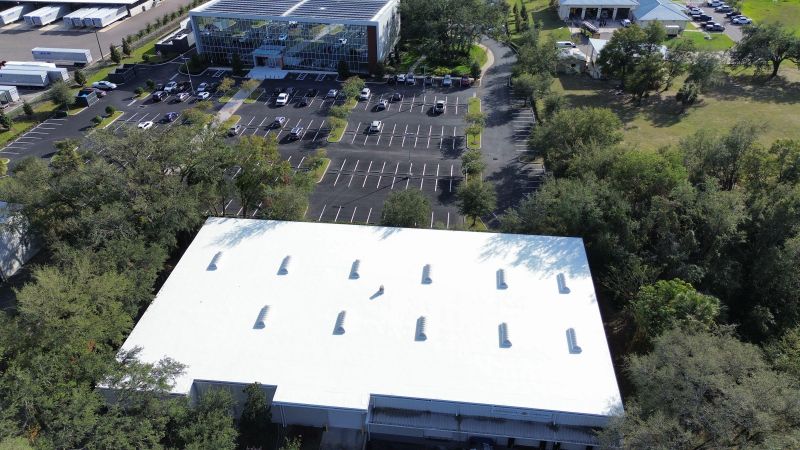
Commercial property owners have several cool roofing options depending on their building type, budget, and long‑term goals:
- Reflective Roof Coatings: These coatings can be applied to existing roofs to improve reflectivity and extend roof life. They’re a cost‑effective way to upgrade without a full replacement.
- Single‑Ply Membranes: TPO and PVC roofing systems naturally offer high reflectivity and are popular choices for new commercial installations.
- Modified Bitumen with Reflective Cap Sheets: These systems combine durability with energy‑saving performance.
- Metal Roofs with Reflective Finishes: Metal roofing can be coated with reflective paint systems to enhance solar reflectance.
Each option offers different benefits, and a professional roofing assessment can help determine the best fit for your building.
Environmental Benefits of Cool Roofs
Beyond energy savings, cool roofs offer several environmental advantages:
- Lower Urban Heat Island Effect: In densely built areas, cool roofs help reduce surrounding air temperatures, improving overall community comfort.
- Reduced Carbon Emissions: Lower energy consumption means fewer greenhouse gas emissions from power plants.
- Extended Roof Lifespan: By reducing thermal shock, the expansion and contraction caused by extreme heat, cool roofs can last longer than traditional systems.
For businesses focused on sustainability or pursuing certifications like LEED, cool roofs can contribute valuable points toward environmental goals.
Is a Cool Roof Right for Your Building?
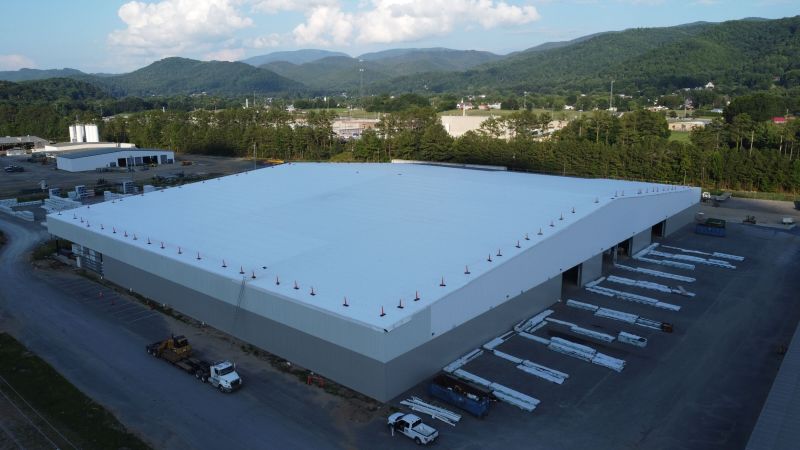
Cool roofs are especially beneficial for buildings in warm or sunny climates, but they can offer advantages in nearly any region. Factors such as roof slope, existing materials, insulation levels, and building usage all play a role in determining the best solution.
A professional roofing contractor can evaluate your current system, energy usage, and long‑term plans to help you decide whether a cool roof is the right investment.
Final Thoughts
Cool roofs are a practical, cost‑effective way for commercial property owners to improve energy efficiency, reduce operating expenses, and support sustainability initiatives. Whether you’re considering a new roofing system or looking to upgrade your existing one, exploring cool roof options is a smart move for the future of your building.
If you’d like help determining whether a cool roof is right for your property, our team is here to guide you every step of the way.