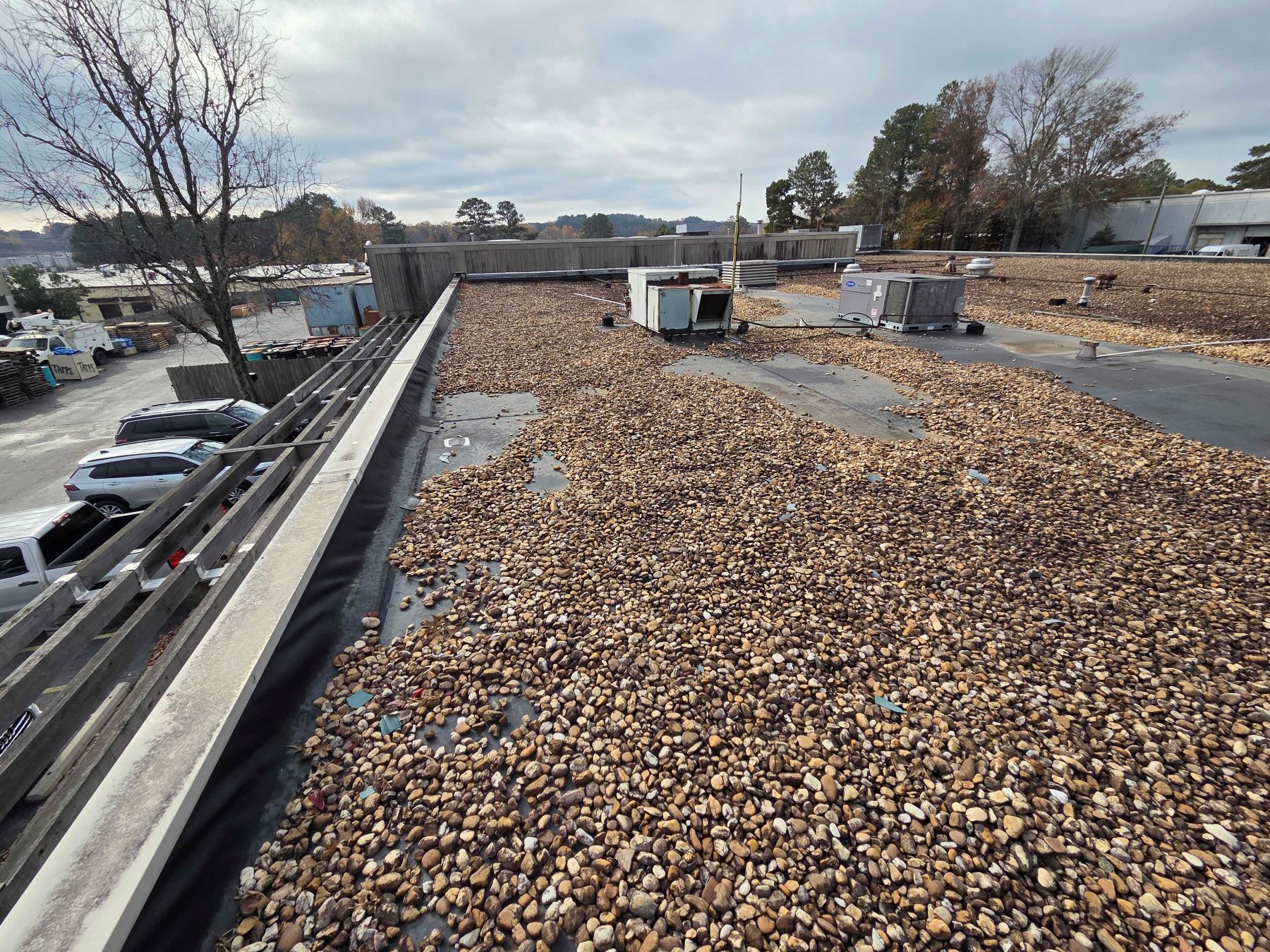
In the high-stakes world of commercial property management, success is often defined by your ability to balance cost-efficiency with asset enhancement. You focus on tenant retention, cosmetic upgrades, and optimizing operational expenses. But there is a silent asset killer that often goes unnoticed until it’s too late, a killer that exists just above your head.
Your building’s roof is more than a waterproof barrier; it is the single most critical structural component protecting your entire investment. Unfortunately, the old adage "out of sight, out of mind" frequently applies to commercial roofing systems. While a small drip in a corner suite might seem like a minor annoyance that can wait until the next budget cycle, the financial reality is that roof neglect doesn't just cost money in repairs; it systematically and aggressively erodes the market value of your property.
Here is how ignoring your roof is directly damaging your asset's bottom line.
1. The Catastrophic Acceleration of Depreciation
Every physical asset depreciates. A high-quality commercial roof (whether TPO, EPDM, or modified bitumen) is designed to provide decades of reliable service. However, those design life estimates assume a critical variable: consistent, proactive maintenance.
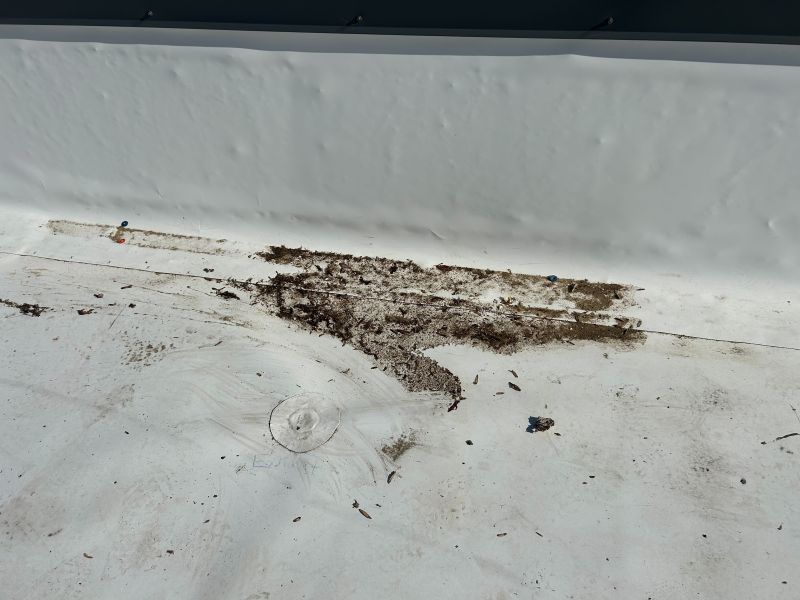
When minor issues like clogged scuppers, deteriorating flashing, or small membrane punctures are neglected, they accelerate the aging process exponentially. A roof system designed to last 20 years might fail completely in 12 due to neglect. This "forced appreciation" is a financial disaster. It forces you to deploy massive capital expenditure (Capex) for a full replacement years before scheduled, severely disrupting cash flow and immediately lowering the net present value (NPV) of the asset.
2. Income Erosion via Tenant Attrition
The value of a commercial property is intrinsically linked to the income it generates. Your tenants are your primary revenue source, and roof leaks are one of the fastest ways to lose them.
Neglected roofs lead to active leaks, water damage to tenant inventory or equipment, and the persistent threat of mold. This creates a hostile and unprofessional business environment. High tenant turnover is incredibly costly, incorporating leasing commissions, tenant improvement (TI) allowances, and downtime (vacancy).
A property known for roofing issues develops a reputation. This weakens your leverage during lease renewals and forces you to lower rental rates to attract new occupants, directly suppressing your potential Gross Income (GI) and, by extension, your property’s capitalized value (Cap Rate).
3. Escalating Operational Costs (OpEx)
Neglect changes the math from predictable maintenance to volatile emergency response.
Reactive, emergency repairs are significantly more expensive than planned maintenance. When you call for an emergency leak repair during a storm, you are paying a premium. This consistently spikes your Operational Expenses (OpEx).
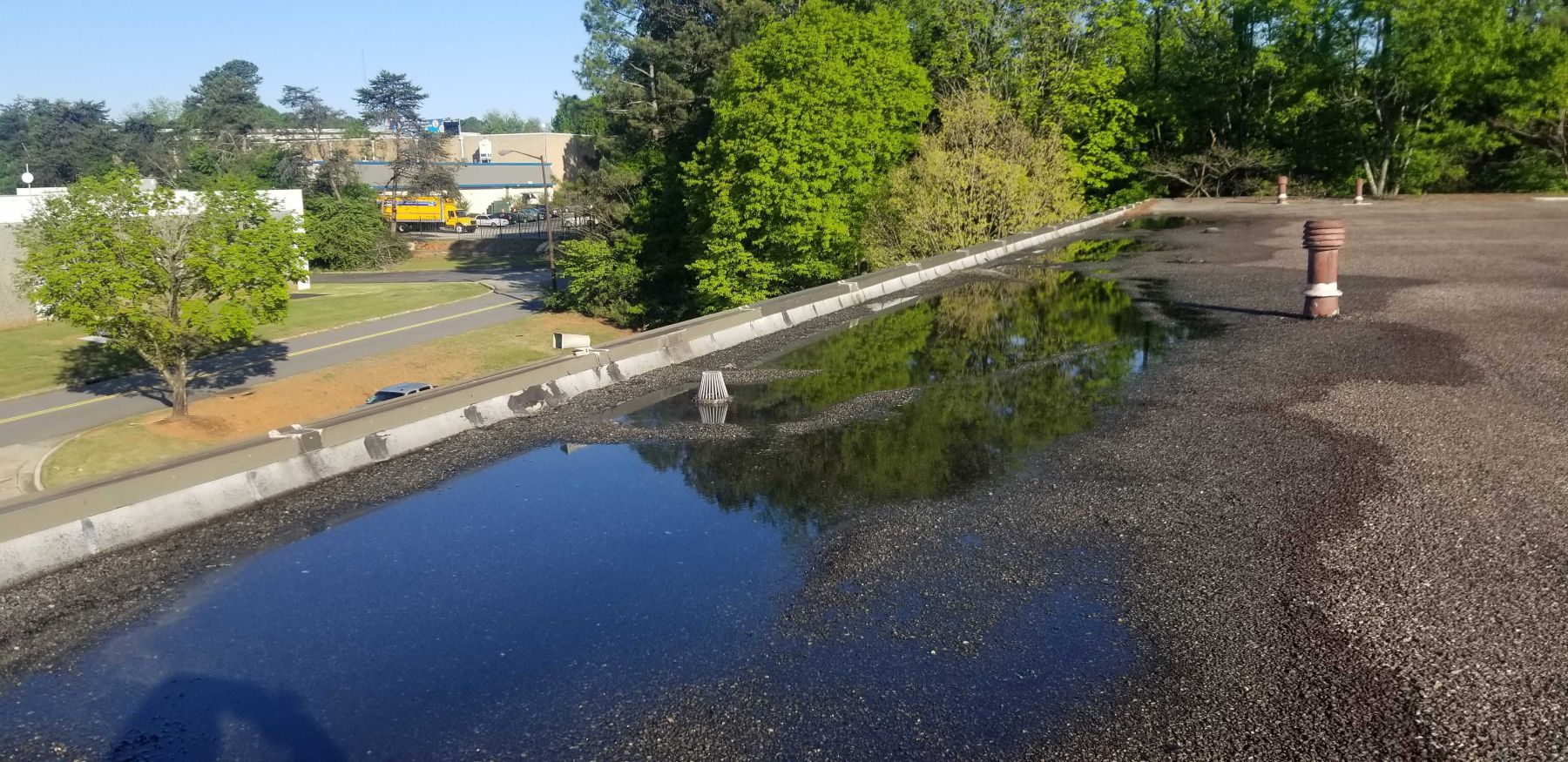
Furthermore, a compromised roof often means a compromised thermal envelope. Wet insulation has almost zero R-value. If your roof is holding water, your HVAC systems are working overtime to heat and cool the building, leading to skyrocketing energy bills. In an industry where investors scrutinize the Net Operating Income (NOI), these inflated operational costs directly reduce your building’s valuation.
4. Paralyzing the Disposition Process
If and when you decide to sell the asset, a neglected roof will sabotage the deal. Modern buyers are sophisticated. During the due diligence process, the roof is one of the first areas they will inspect.
A roof that shows signs of deferred maintenance is a massive red flag. It signals to the buyer that other unseen systems (HVAC, plumbing, electrical) may have also been neglected. This discovery instantly shifts the power dynamic. The buyer will either demand a drastic price reduction to cover the imminent replacement costs or, more likely, back out of the deal entirely, viewing the asset as too high-risk. A building you cannot sell at market value is, by definition, an asset with diminished worth.
The Solution: A Strategic Shift to Preservation
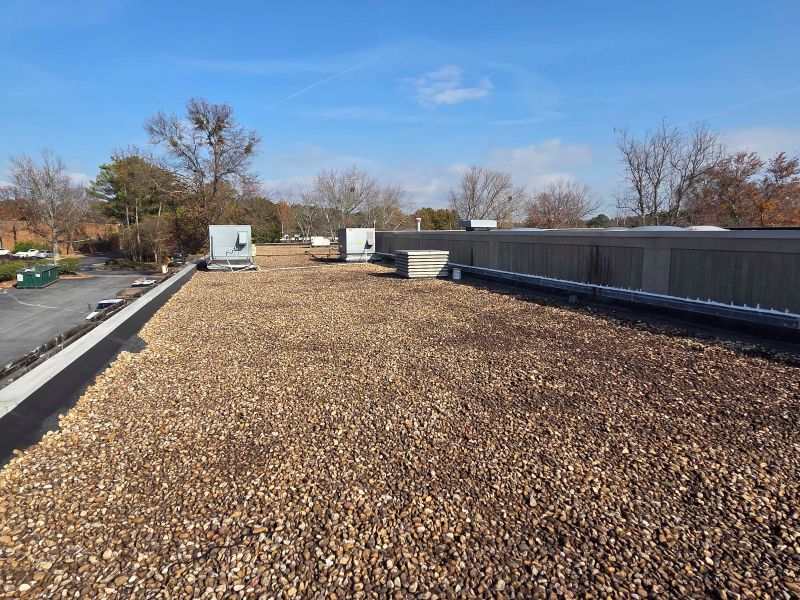
The link between roof health and property value is undeniable. The solution is not complex, but it requires a strategic shift. Moving from a reactive, "fix-it-when-it-breaks" mentality to a proactive Commercial Roof Asset Management approach is the key to preserving value.
A structured maintenance program, including biannual inspections, standardized cleaning, and immediate minor repairs—invests pennies today to save dollars tomorrow. It stabilizes OpEx, deferrs massive CapEx, keeps tenants satisfied, and ensures that when the time comes to evaluate the property’s worth, the asset above your head is contributing to your value, not stealing from it.
Don't let neglect erode what you’ve built! Contact Parsons Roofing today to discuss a preventative maintenance plan that protects your roof, and your ROI.